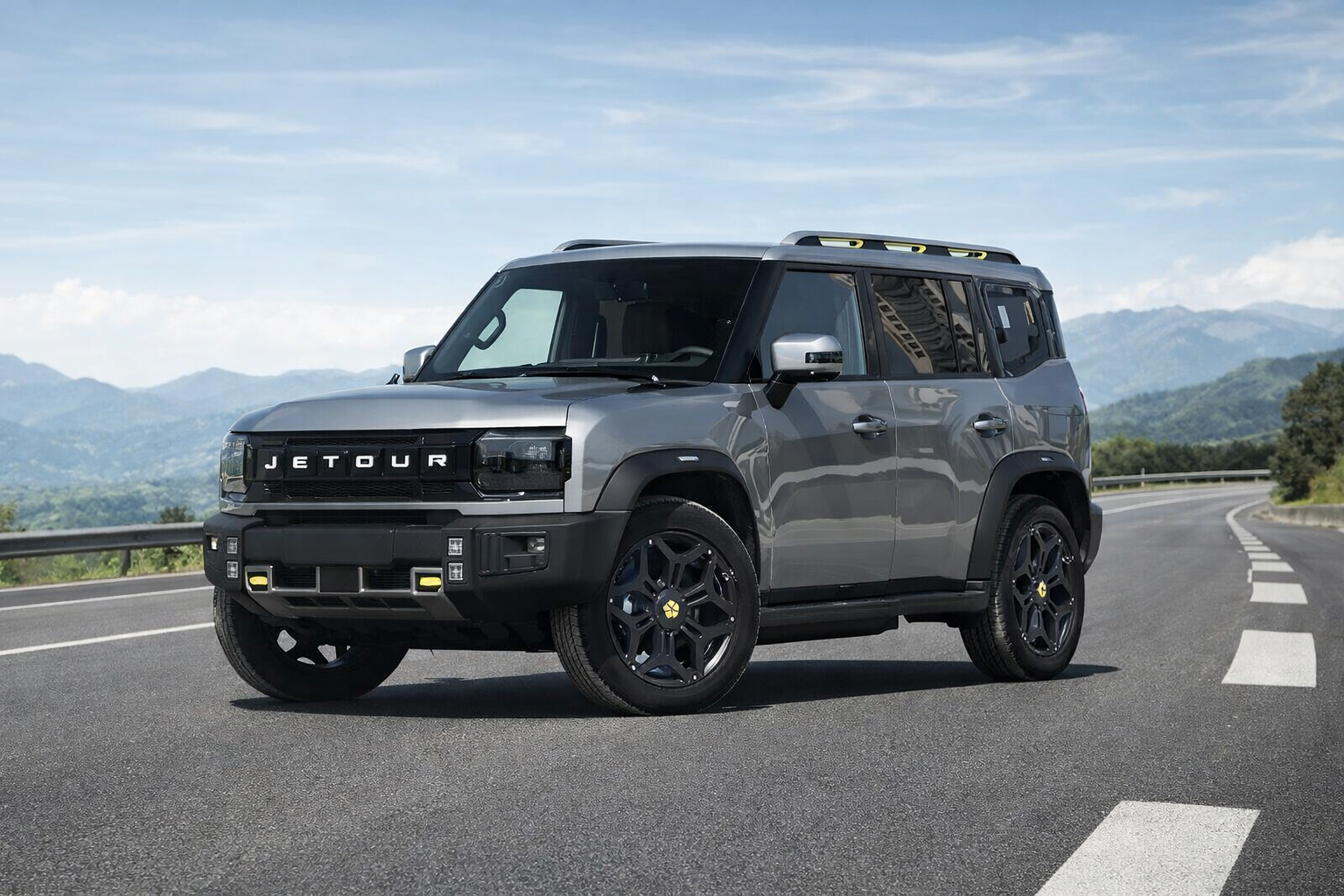
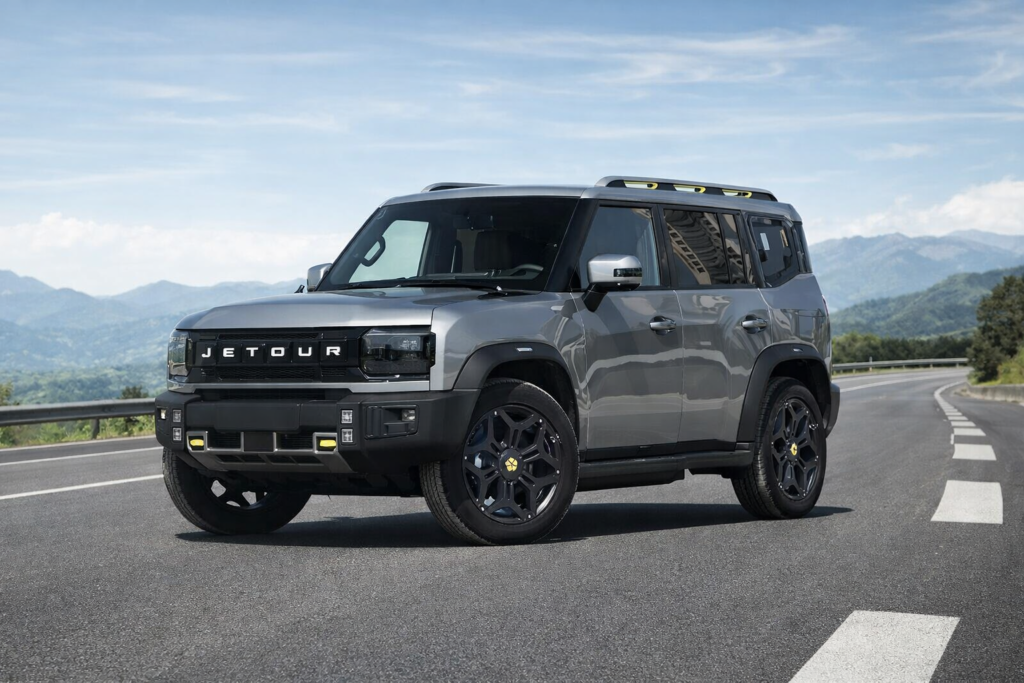
The Indian automotive landscape is on the verge of a massive transformation. For decades, the SUV segment has been dominated by home-grown giants like Tata Motors and Mahindra & Mahindra. However, a new challenger is emerging from one of India’s most powerful industrial houses. JSW Group, led by Sajjan Jindal, is officially entering the ring with its first-ever SUV.
JSW Group has announced the launch of its new SUV in the market but there is a challenge for it. Companies like Mahindra and Toyota are already in the market with new technology, hence the biggest challenge for the new cars that JSW will launch is how to launch these cars in a better and lower price, what new features should be added to them so that it can get a better option than this. If you also like to just drive, then this is the best option for you.
Expected to launch by Diwali 2026, this new vehicle isn’t just another SUV; it’s a high-tech Plug-in Hybrid (PHEV) boasting a range of over 1000 km. This move marks JSW’s serious intent to disrupt the status quo and offer a premium, rugged alternative to the Thar and Safari faithful.
1. The JSW and MG Motor India Synergy
To understand this launch, one must look at the strategic partnership between JSW Group and MG Motor India (owned by SAIC Motor). JSW has acquired a significant stake in MG Motor India, aiming to “Indianize” the brand and leverage global technology for local needs.
While MG has a strong foothold in EVs, JSW is keen on diversifying into Plug-in Hybrids (PHEVs)—a technology many experts believe is the perfect middle ground for India’s developing charging infrastructure.jetourglobal.com
2. Inspired by the Jetour T2: Design and Patent
As per the news, JSW has filed design patents in India for an SUV based on the Jetour T2. For the uninitiated, Jetour is a brand under the Chinese giant Chery.
Why the Jetour T2?
The Jetour T2 (also known as the Traveller in some markets) is a “boxer” style off-road SUV that has gained international acclaim for its:
- Rugged Aesthetics: Squarish silhouette, vertical pillars, and a muscular stance that rivals the Land Rover Defender and Ford Bronco.
- Off-Road Capability: High ground clearance, short overhangs, and intelligent 4WD systems.
- Tech-Loaded Interior: A massive infotainment screen, premium materials, and Level 2 ADAS.
By basing their first SUV on this platform, JSW is skipping the “growing pains” of design and jumping straight into a battle-tested, visually stunning platform.
3. The Game Changer: 1000 km+ Range
The standout feature mentioned in the report is the 1000 km+ range. In a country where “Range Anxiety” is the biggest hurdle for EV adoption, JSW’s PHEV strategy is a masterstroke.
How does the Plug-in Hybrid work here?
Unlike a standard hybrid (like the Grand Vitara), a PHEV has a larger battery that can be charged via an external outlet. It can run in pure EV mode for daily city commutes (likely 80-100 km) and switch to a highly efficient internal combustion engine for long highway hauls.Mahindra Thar ROXX Star Edition Launched 2026: Price, Specs
By combining a fuel-efficient engine with a large battery and motor, JSW aims to offer a total cruising range that makes Jaipur-to-Mumbai trips possible on a single tank/charge.
4. Competing with Tata and Mahindra
The Indian SUV market is currently split into two major camps:
- The Luxury/Tech Camp: Led by the Tata Safari and Harrier.
- The Rugged/Off-Road Camp: Led by the Mahindra Thar, Scorpio-N, and XUV700.
JSW’s SUV aims to bridge this gap. It offers the rugged, go-anywhere look of a Mahindra with the futuristic, green-tech interior expected from a modern Tata or MG vehicle.
Comparison Table: At a Glance
| Feature | Tata Safari / Mahindra XUV700 | JSW SUV (Jetour T2 Based) |
|---|---|---|
| Powertrain | Diesel / Petrol / EV (Upcoming) | Plug-in Hybrid (PHEV) |
| Estimated Range | 600-800 km (Fuel) | 1000+ km (Combined) |
| Design Style | Urban / Curvy | Boxy / Off-road / Rugged |
| Off-Road Gear | AWD (XUV) / FWD (Safari) | Dedicated 4WD / Off-road modes |
5. Why “Diwali” is the Strategic Launch Window
Launching a flagship product during Diwali is a classic Indian market strategy. It is the period of highest consumer spending. By teasing the vehicle now and preparing for a festive launch, JSW is building a massive “waitlist” of buyers who might otherwise have opted for a Mahindra or Toyota.
The company has already started issuing teasers to its dealer network, signaling that the production lines are gearing up for the final stages of localization.
6. Challenges and the Road Ahead
While the hype is real, JSW faces significant hurdles:
- Brand Trust: JSW is a giant in steel and energy, but “JSW Motors” is a new name for Indian car buyers.
- Service Network: Competing with Mahindra’s rural reach and Tata’s urban presence requires a massive investment in service centers.
- Pricing: The Jetour T2 is a premium product. If JSW wants to “take on” Tata and Mahindra, they must localize heavily to keep the price between ₹25 Lakh to ₹35 Lakh.
7. Interior and Features: What to Expect?
If the JSW SUV stays true to the Jetour T2’s DNA, Indian consumers can expect:
- 15.6-inch Infotainment: One of the largest in the segment.
- Snapdragon 8155 Chipset: For a lag-free, smartphone-like experience.
- Ventilated Seats & Panoramic Sunroof: Non-negotiables for the Indian premium buyer.
- 8-Airbags & 5-Star Safety Aim: JSW will likely push for the highest Bharat NCAP ratings to compete with Tata’s safety reputation.
8. The “Made in India” Angle
Sajjan Jindal has been vocal about creating an Indian automotive powerhouse. While the platform is shared with Chery/Jetour, JSW is expected to manufacture these vehicles at their massive facility in Halol, Gujarat. High localization of the battery pack and steel (using JSW’s own high-grade automotive steel) could give them a significant cost advantage.
1. The “i-DM” Powertrain & Performance
The India-spec model will likely feature the i-DM (Intelligent Drive Model) Plug-in Hybrid system. Unlike traditional “Strong Hybrids,” this system allows for significant pure-electric driving.
- Engine: 1.5-litre four-cylinder turbocharged petrol engine (156 \text{ hp} / 220 \text{ Nm}).
- Electric Hardware: Paired with dual front-mounted electric motors and a 26.7 kWh battery pack.
- Transmission: A 3-speed Dedicated Hybrid Transmission (DHT), which is more efficient than a standard CVT for hybrid power delivery.
- The 1000 km+ Promise: On a full tank and a full charge, the combined range exceeds 1,000 \text{ km}. For daily city use, it offers a pure EV range of approximately 130-139 km (NEDC).
- Charging: Supports DC fast charging, moving from 30% to 80% in about 30 minutes.
2. Design & Dimensions
The SUV is built on the Kunlun monocoque platform. Despite its “ladder-frame” look, the monocoque chassis ensures better on-road handling and safety.
- Length: 4,785 mm
- Width: 2,006 mm
- Height: 1,880 mm
- Wheelbase: 2,800 mm
- Ground Clearance: 220 mm
The design was guided by Hakan Saracoglu (formerly of Porsche), explaining the sophisticated yet “butch” look that reminds many of the Land Rover Defender.
3. Interior & Smart Technology
JSW is targeting the premium segment, positioning this SUV as a tech-heavy alternative to the Toyota Fortuner and Mahindra XUV700.
- Dual-Screen Layout: A massive 15.6-inch central touchscreen powered by the Snapdragon 8155 chipset and a 10.25-inch digital driver’s display.
- Premium Audio: A 12-speaker Sony audio system.
- Safety: Expected to include Level 2 ADAS, a 360-degree camera, and specialized off-road modes (X-mode) that automatically detect terrain.
- V2L Capability: The “Vehicle-to-Load” feature allows the car to act as a giant power bank to charge external appliances—perfect for camping.
4. Market Positioning
While some reports suggest a price bracket of ₹30 – ₹45 Lakh, the aggressive localization planned at the Chhatrapati Sambhajinagar (Maharashtra) plant could bring a surprise entry price.
Conclusion: A New Era for Indian SUVs
The entry of JSW into the SUV space is the most exciting development in the Indian auto industry since the arrival of Kia or the relaunch of MG. By choosing a Plug-in Hybrid powertrain and a rugged off-road design, JSW isn’t just following trends—it’s trying to set them.
If they can deliver on the promise of a 1000 km range and a price tag that challenges the Scorpio-N or Safari, JSW Motors might just become the third pillar of the Indian SUV market.
Final Thought: Are you ready to trade your Diesel SUV for a 1000-km Range Hybrid? This Diwali might just give you the reason to do so.