Pixel 11 Pro The smartphone landscape is constantly evolving, and as we move deeper into 2026, the tech community’s attention is already shifting toward the horizon. With recent supply chain leaks and early case renders making waves, the Google Pixel 11 Pro has quickly become the focal point of speculation. As Google continues to refine its “Tensor-first” philosophy, the upcoming flagship promises to be a pivotal device that bridges the gap between hardware utility and advanced artificial intelligence.
Google is bringing blast after blast for you this year because after launching its 10 series, once again it has said to launch its 11 series as well as the Pro level in the 11 series and it has also launched it in the market and if we talk about the features, you know that Google never compromises in terms of features, so you can see that Google Pixel 11 Pro is not a phone in itself, it is not a phone, it is a mobile DSLR in your hand and you will get to see all kinds of facilities and quality technology in this phone and the most important thing is that it is a mid-range price phone.
A Subtle Design Shift: Less is More
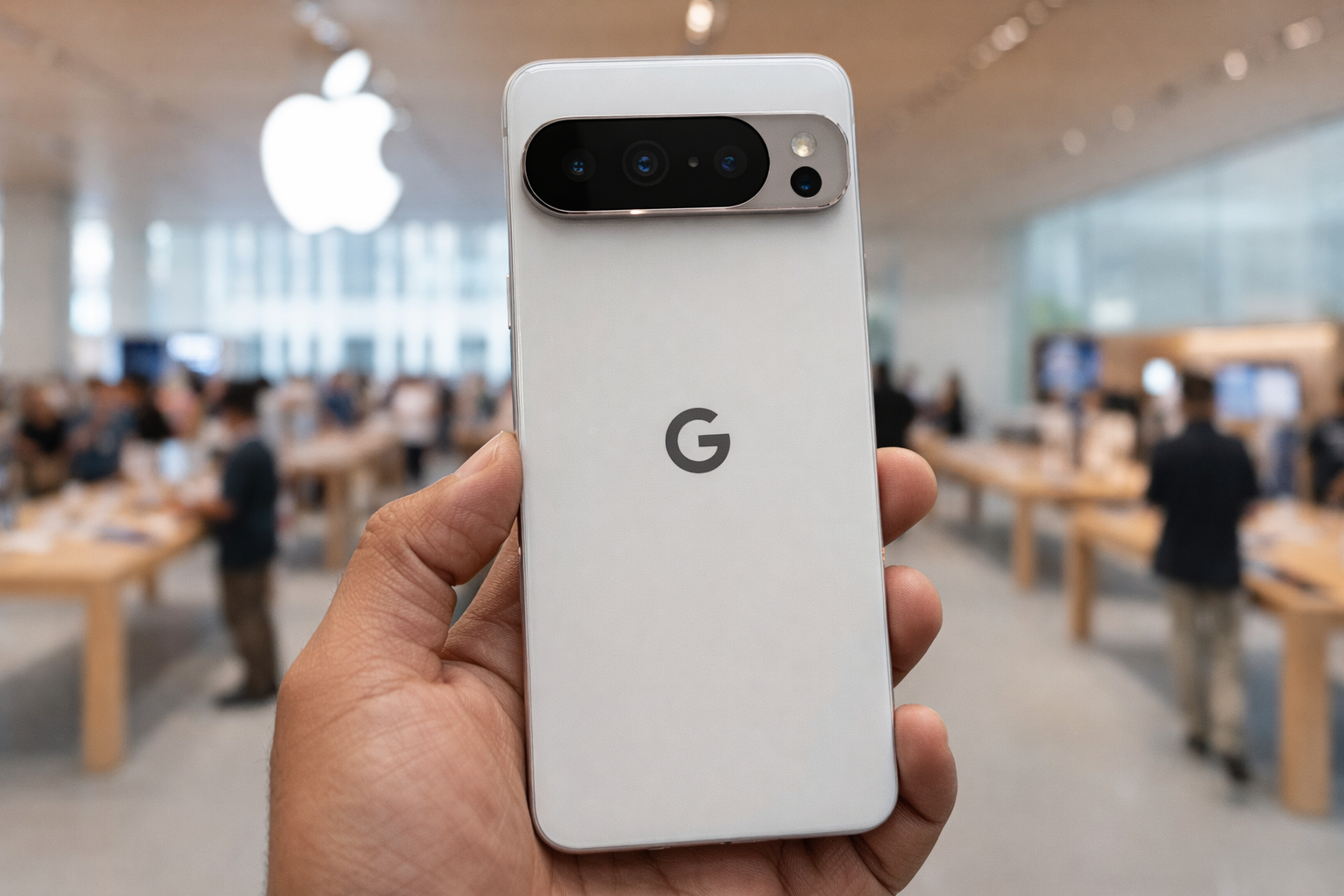
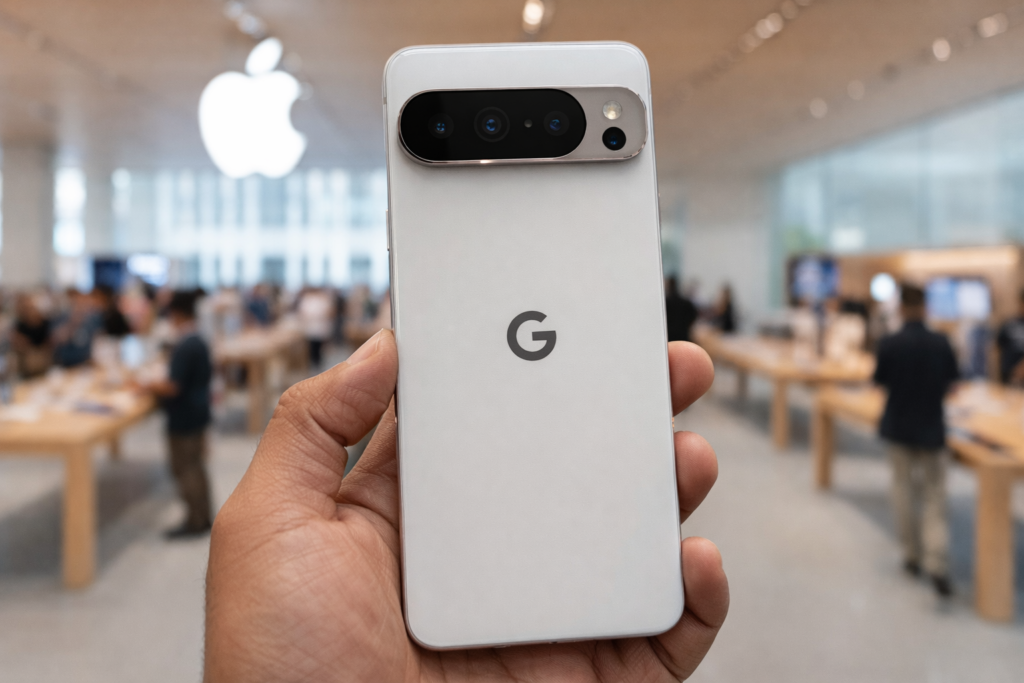
Recent leaks from accessory manufacturers have provided our first tangible look at the potential design language of the Pixel 11 series. While the iconic camera bar has been a defining feature of the Pixel aesthetic for years, early renders for the Pixel 11 Pro XL suggest a subtle, yet significant, evolution.
Reports indicate that Google is experimenting with a camera housing that covers a slightly larger surface area but protrudes less from the phone’s chassis. For power users who have criticized the “thickness” of previous camera bumps, this change could offer a more streamlined, ergonomic profile without sacrificing the high-end optical capabilities—such as the rumored 5x optical zoom—that have made recent Pro models photography powerhouses.
Under the Hood: The Tensor G6 Revolution
At the heart of the Pixel 11 Pro experience will undoubtedly be the next-generation Tensor G6 chipset. Rumored to be built on a 2nm process, the G6 is expected to be more than just a speed upgrade. It is being positioned as the foundational engine for Google’s most advanced on-device AI features to date.store.google.com
In a world where generative AI is no longer a luxury but a utility, the Tensor G6 is anticipated to handle complex, real-time computational tasks with greater power efficiency than its predecessors. This should translate to improved battery longevity and smoother thermal management during intensive tasks like 8K video processing or advanced photo editing.
Display, Connectivity, and the “Face ID” Rival
Display technology remains a competitive front. While the Pixel 11 Pro is expected to retain a high-resolution, high-refresh-rate OLED panel (likely pushing beyond 120Hz for even smoother interactions), the biggest buzz concerns biometric authentication.
There is mounting speculation that Google is aiming to introduce a more secure form of face authentication, potentially utilizing an IR flood illuminator to rival the security and reliability of Apple’s Face ID. If successfully implemented behind the display, this would be a major win for both convenience and aesthetic minimalism, eliminating the need for a visible notch or sensor cutout.Google Pixel 10a Price in India: New ‘Hyper-Efficient’ Battery Mode 72-Hour Backup, Full Specs
Google Pixel 10 Pro vs. Pixel 11 Pro (Rumored Specs Comparison)
| Feature | Pixel 10 Pro | Pixel 11 Pro (Rumored) |
|---|---|---|
| Processor | Tensor G5 | Tensor G6 (2nm Process) |
| Architecture | 3nm | New 7-core (1+4+2) design |
| Display | 120Hz LTPO OLED | Up to 144Hz LTPO OLED |
| Peak Brightness | ~3,000 nits | 4,000 – 5,000 nits |
| Biometrics | Ultrasonic Fingerprint | Ultrasonic + New IR Face Unlock |
| Modem | Exynos 5400 | MediaTek M90 (Improved 5G) |
| AI Features | Cloud-based + On-device | Advanced Nano-TPU (Full On-device) |
| Build | Traditional Camera Bar | Streamlined/Lower Profile Housing |
Connectivity and the Future of the Pixel Ecosystem
Connectivity is also getting a boost. Industry whispers suggest a switch to a new MediaTek modem, which could provide faster, more stable 5G speeds—a critical area where previous models have faced stiff competition. Combined with expected support for Wi-Fi 7 and Bluetooth 6.0, the Pixel 11 Pro is shaping up to be a truly future-proof flagship.
Advanced Hardware and Architectural Shifts
While the aesthetic design is moving toward a more streamlined, lower-profile camera housing, the most significant changes are happening internally. The Tensor G6 chipset (codenamed “Kodiak”) is expected to be a major turning point for Google’s silicon strategy.
Recent Geekbench leaks suggest an unusual 7-core CPU architecture (1 + 4 + 2 cluster). By utilizing a high-performance “C1-Ultra” core clocked above 4.1GHz, Google appears to be prioritizing high-burst single-core performance alongside improved efficiency. Furthermore, the move to a 2nm fabrication process from TSMC is designed to solve one of the historical pain points of the Pixel line: thermal efficiency during heavy AI-driven tasks.
The AI-Centric Future
The Pixel 11 Pro is poised to double down on on-device AI, moving away from cloud-reliant features. Leaks point to a new “Nano-TPU” within the Tensor G6 capable of managing always-on health monitoring—including sophisticated features like sleep apnea detection, gait analysis, and real-time noise-based diagnostics (coughing/snoring tracking). This signifies a shift where the smartphone acts less like a portal to the cloud and more like a dedicated local intelligence hub for your personal data and health.
Connectivity and Security Upgrades
Reliability in networking has been a high-priority request from the community. Rumors consistently point to Google switching to a new MediaTek M90 modem. This transition is expected to deliver:
- Superior 5G stability: Better performance in challenging signal environments.
- Advanced Satellite Connectivity: Offering more robust emergency communication options.
- Titan M3 Integration: A dedicated security coprocessor is rumored to work alongside the G6 to manage biometric data, potentially supporting a new under-display IR-based face authentication system. This would provide the kind of secure, spoof-proof facial scanning that has long been a benchmark for flagship-tier devices.
Display and Durability
The display is expected to push boundaries with a potential refresh rate of 144Hz, offering an even more fluid UI experience. Coupled with peak brightness levels rumored to climb as high as 4,000 to 5,000 nits, the Pixel 11 Pro is being designed to maintain perfect visibility in direct, harsh sunlight, cementing its status as an elite content-consumption device.
Final Thoughts: What to Expect in August
While we are still months away from the official launch—which is widely expected to happen in August 2026—the narrative surrounding the Pixel 11 Pro is clear: Google is focusing on refinement, parity, and the seamless integration of AI.
Whether these leaks materialize into the perfect flagship remains to be seen. However, for those who value software-driven innovation, photography prowess, and a unique design aesthetic, the Pixel 11 Pro is shaping up to be one of the most anticipated releases of the year.